From British Bakeries to Bengali Spice: A Global Food Journey of Kolkata
Read. Imagine. Travel.
Namaste! After a thoughtful pause since our last edition, we are delighted to welcome you back to TravNama. Over the past years, we have been exploring, evolving, and curating unforgettable journeys and stories for you. Through this newsletter, we reconnect by sharing insights from both celebrated and lesser-known destinations across India and beyond. With each edition, our aim is to go beyond the familiar - offering rare perspectives, untold stories, and deeper insights into places that still have much to reveal.
Refreshed, reimagined, and ready to inspire once again, TravNama returns with stories that invite you to read, imagine, and travel with us.
For this edition, our journey begins in the timeless lanes of Kolkata, West Bengal.
Few cities in India carry history as gracefully as Kolkata. From colonial architecture and timeless tram rides to poetry, art, music, and intellectual gatherings, the city has long remained a living canvas of culture and emotion. Yet beyond its grand heritage and nostalgic charm lies another experience that leaves an unforgettable impression on every traveller - its food. The soul of Kolkata does not reveal itself through monuments and streets alone - it unfolds through flavours, aromas, and culinary traditions passed down through generations. Every meal tells a story, every recipe carries memory, and every corner of the city offers a taste of its rich cultural legacy.
Discover the rich flavours of West Bengal in this short video.
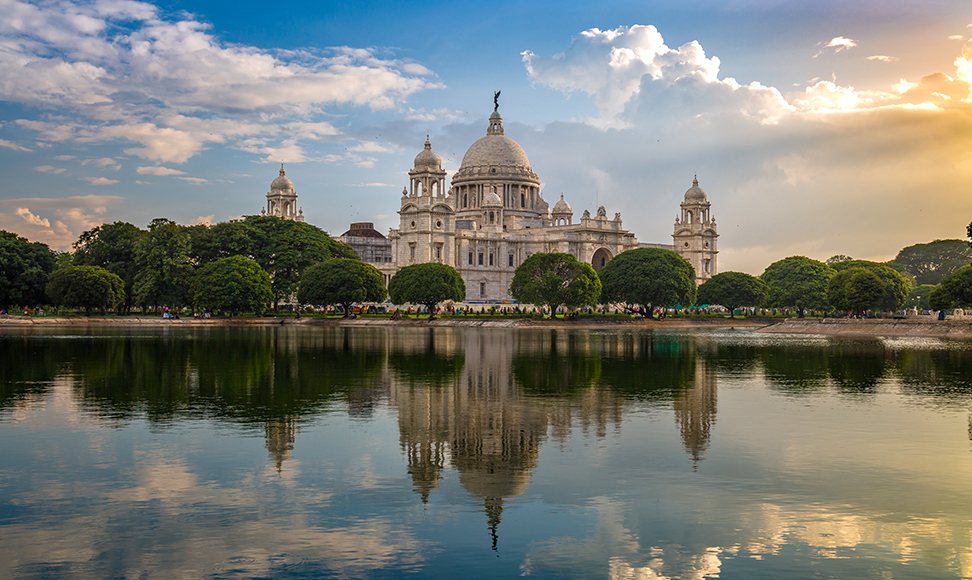
Step into Kolkata - not just the "City of Joy," but a living, breathing paradise for food lovers.
For Bengalis, cuisine is not merely a part of life - it is woven into emotions, celebrations, traditions, and everyday moments. Walk through its spice-scented streets and you’ll discover flavours unlike anywhere else - from elaborate Bengali thalis steeped in tradition to humble roadside delights, from nostalgic sweets to recipes shaped by centuries of cultural exchange. Every corner of the city carries a story, and every bite reflects the communities that helped shape Kolkata over time.
So, let us delve into the captivating history of Kolkata’s culinary culture - exploring the origins of its iconic dishes, the influences that transformed its kitchens, and the timeless flavours that continue to define the city today.
Fish & Rice: The Bengali Soul
The land of Bengal was sculpted by its mighty rivers - the Ganges, Padma, Hooghly, and Brahmaputra - which not only nourished its fertile soil but also shaped a vibrant riverine culture and centuries-old fishing traditions. By the 13th to 16th centuries, with the rise of regional kingdoms and the influence of Sufi saints and Vaishnava poets, Bengali cuisine began to evolve into a more nuanced and diverse expression of culture.
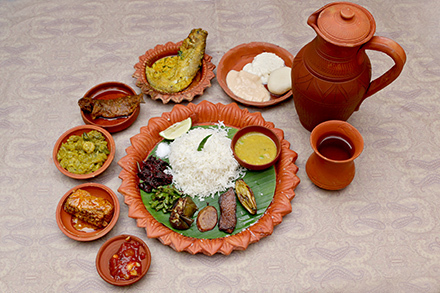
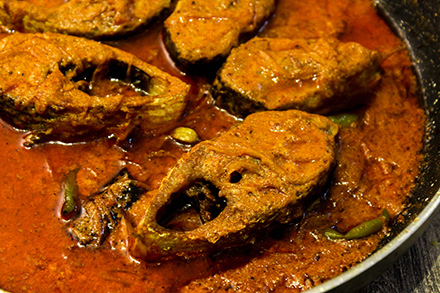
In Bengal, fish is more than just food - it's a symbol of prosperity, deeply woven into wedding rituals, religious feasts, and every local celebration. The phrase “machh-e-bhaat-e Bangali” (a Bengali is made of fish and rice) has long echoed as a declaration of identity. Even during periods of Islamic influence, iconic fish-based dishes like doi maachh (fish in yogurt) and shorshe ilish (Hilsa in mustard) flourished - a testament to Bengal’s ability to embrace change while preserving its culinary roots. The Partition of Bengal in 1947 created two distinct regions - West Bengal and East Bengal (now Bangladesh) - leading to a fascinating diversification in fish-based culinary traditions. West Bengal, with access to both rivers and coastline, became known for fish varieties like rohu, katla, bhetki, pabda, tangra, mourala, parshe, and tyangra. On the other hand, East Bengal, interlaced with the Padma, Meghna, and Jamuna rivers, built its culinary legacy around fish like ilish, pabda, koi, chitol, chingri, shoal, and more.
Walk through Kolkata today, and you’ll notice this cultural divide still alive - reflected in restaurant menus and echoed in family kitchens. It’s not just a matter of taste; it’s a matter of heritage.
Bakeries, Cutlets & Club Culture:
As the capital of British India until 1911, Kolkata became a hub of colonial influence — not just in governance, but on the plate. British soldiers and officers brought with them a taste for bread loaves, sponge cakes, fruit tarts, and buttery cookies. This culinary preference led to the emergence of Anglo-Indian bakeries across the city, blending European techniques with local sensibilities.
One of the most iconic is Nahoum’s in New Market, established in 1902 by a Baghdadi Jewish family. More than a bakery, it became a time capsule of Kolkata’s layered past. To this day, it serves old-world favourites like rum balls, plum cakes, and chicken patties — golden, flaky parcels of joy that transport you to a quieter, more nostalgic Kolkata afternoon. The British also introduced the tradition of gentlemen’s clubs - elite spaces where menus featured delicacies like mutton cutlets, fish fingers, and chicken croquettes. Over time, these once-exclusive dishes trickled down into the city’s foodscape, finding their way into humble “cabins” - modest eateries beloved by officegoers, students, and artists alike.
Today, what was once high-table fare now lives on as part of Kolkata’s everyday comfort food culture - rich in history, yet warmly familiar with every bite.
Kolkata’s Chinese Legacy
Long before Indo-Chinese cuisine became popular across India, Kolkata was home to one of the country’s oldest Chinese communities. In areas like Tangra and Tiretta Bazaar, Chinese immigrants didn’t just introduce their cuisine - they built neighbourhoods, opened family-run restaurants, and created a culinary culture unlike anywhere else in India.
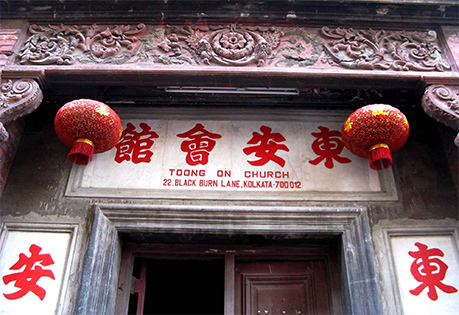
The result was a bold fusion of Chinese cooking techniques and Indian flavours that eventually gave birth to the iconic “Indian-Chinese” cuisine loved across the country today.
Biryani & Mughlai Roots
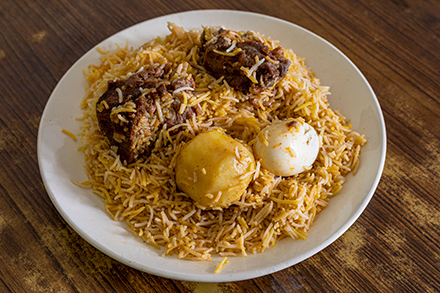
In the mid-19th century, the exiled Nawab of Awadh, Wajid Ali Shah, settled in Metiabruz (known as "mini-Lucknow”) — and with him came his royal chefs and the refined legacy of Awadhi cuisine. But in Kolkata, the biryani story took a unique turn. When meat became expensive, local cooks added a humble boiled potato to stretch the dish. That simple innovation became iconic.
Today, in Kolkata’s biryani, the potato is revered just as much as the meat - sometimes even more. This Nawabi influence didn’t stop at biryani. It also gave rise to signature dishes like mutton kosha, rezala, and the rich, indulgent mughlai paratha - each carrying the soul of royal kitchens but adapted to the city’s streets and homes. In Kolkata, biryani isn’t just food - it’s an emotion, layered with history, saffron, ghee (clarified butter), and tender love, passed down through generations and savored with unmatched devotion.
Sweets of Sentiment
Since time immemorial, Bengal has lived through its sweets, like in every festival, religious rituals, farewells, reunions, heartbreaks, and every moment in between.
And there is a story behind every sweet.
Rasogolla: It’s a culture icon of Kolkata. Invented in 1868 by Nobin Chandra Das in Kolkata, this humble sweet became the pride of Bengal.
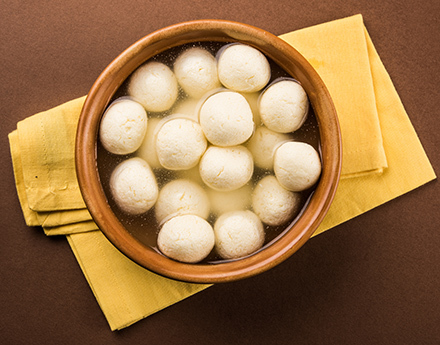
For Bengalis Rasogolla is more than a GI tag it’s a reminder of shared laughter, family rituals, and timeless joy.
Mishti Doi: A timeless Bengali delight, created by simmering milk for hours until it caramelises, then sweetened and set into velvety yogurt. Fermented overnight, it holds the earthy scent of clay and the warmth of tradition.
Sandesh The Artistic Sweet: First crafted in 18th-century Kolkata under the influence of Portuguese cheesemaking and eventually elevated into an art form by confectioners like Bhim Chandra Nag and Girish Chandra Dey, with shapes of flowers, shells, and leaves this sweet often becomes edible sculpture, traditionally offered during festivals and royal welcomes.
Street Food Revolution
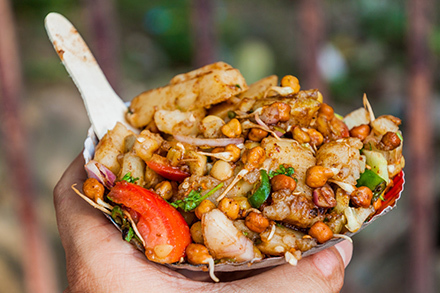
Evenings in Kolkata are an event in themselves. As students finish their classes and offices close, the streets come alive with sizzling food stalls that offer everyone a moment of delicious calm. Back in the 1930s, when British officers enjoyed kebabs but disliked eating them with their hands, Nizam’s - one of Kolkata’s legendary restaurants - came up with a perfect solution: rolling those succulent kebabs inside a flaky paratha.
Thus, the iconic Kathi roll was born. Another local favorite is Telebhaja - deep-fried fritters made from potatoes, brinjal, pumpkin, onions, and green chillies. Crisp, golden, and full of comfort, they’re Kolkata’s go-to snack during rain-soaked evenings. And then there’s the unbeatable Puchka Kolkata made this street snack its own - spicy mashed potatoes blended with tamarind, chilli, black salt, and coriander, tucked into crunchy shells, and dipped in a tangy-sour-spicy water that sets your tastebuds tingling.
This was the story of Kolkata's culinary heritage - a journey through flavours shaped by history, culture, and community.
But beyond Kolkata, countless more culinary stories await across India and the subcontinent. From street-side snacks to heritage sweets, every region carries centuries of tradition, memory, and flavour. No description can truly capture this richness—it must be experienced. Come explore the Indian subcontinent's culinary heritage with us, where every destination tells its story through food. At Indo Asia Tours, we don't just plan journeys—we craft experiences that let you discover the subcontinent through its cultures, cuisines, and stories, one journey at a time.
Virtual Destination Training Program

We are grateful for the continued interest in our destinations and customised destination training sessions, and we sincerely appreciate your engagement.
Over the years, we have successfully conducted several destination and product training sessions for our partners and would be delighted to organise similar sessions for your team or destination presentations for your clients.
Should there be a destination of particular interest, simply share your preferred date and time, and we would be pleased to arrange a tailored session accordingly.
Send RequestPlease feel free to write back to us at marketing@indoasiatours.com to share our thoughts on customized journeys covering the Indian subcontinent or take time to visit our website https://www.indoasia-tours.com. Be sure we will prepare the best program to make a memorable trip for your esteemed clients!